
Team Handball Training & Fitness
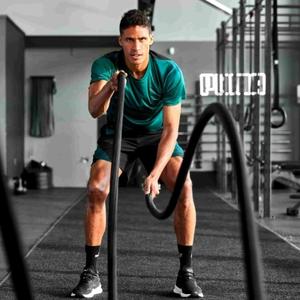
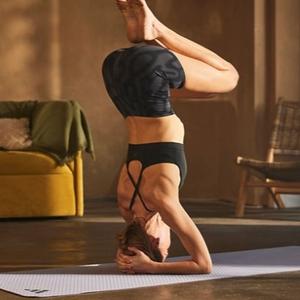
Training for team handball
A match is roughly sixty minutes of repeated sprints, jumps, throws and contact. The sport loads three areas hardest: the throwing shoulder, the knee on landing and change of direction, and the ankle. Off-court work is built around those three.
Off-season and in-season
Off-season, build posterior-chain strength, single-leg stability and an aerobic base. In-season, that work drops to a maintenance dose and the priority becomes mobility and recovery between matches. Trying to build strength in February usually costs you legs on Saturday.
What actually transfers
- Lower body. Squats, hinges and single-leg work for jump and landing control
- Rotational core. The throw comes from the hips and trunk, not the arm
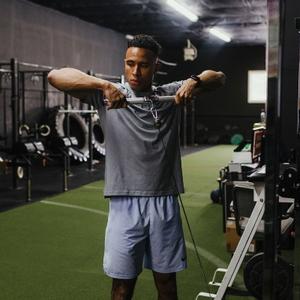
- Shoulder stability. External rotation and scapular work — the highest-value injury prevention there is for a thrower
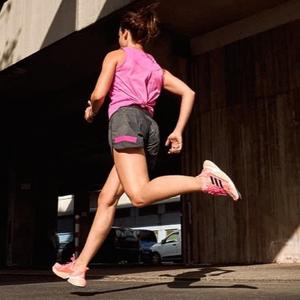
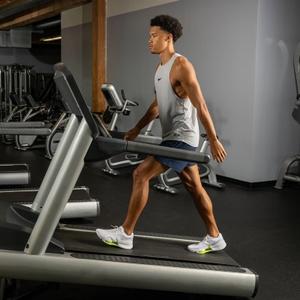
- Conditioning. Short high-intensity intervals that mirror the stop-start pattern of a match, not long steady runs
Frequently asked questions
How should team handball players train off court?
Lower-body strength, rotational core work and shoulder stability, plus short high-intensity intervals that mirror the stop-start pattern of a match.
What muscles does team handball work?
Legs and glutes for sprinting and jumping, trunk and obliques for the throwing rotation, and the shoulder and upper back for the throw itself.
How can I throw a handball harder?
Throwing power comes from the ground up: hip drive, then trunk rotation, then the arm. Rotational medicine ball work transfers best.
How do I protect my shoulder as a handball player?
External rotation and scapular stability work, twice a week, all season. It is the single most effective prevention for a throwing shoulder.
Shop by category: New Arrivals · Special Offers · Men's Running Shoes · Women's Running Shoes · Youth Running Shoes · Running · Cardio · Strength Training
Related: Holidays & Events · Pre-Order · Christmas · Sale · Black Friday · Deals · New Arrivals · Shoes