Team Handball Shoes
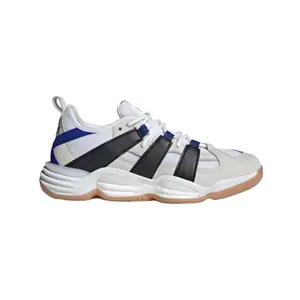
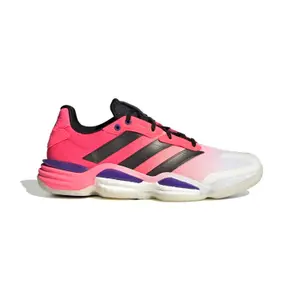
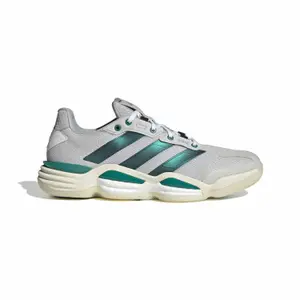
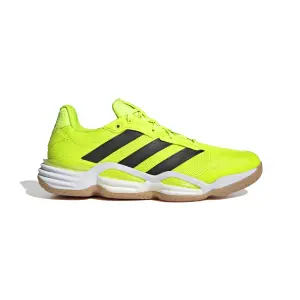
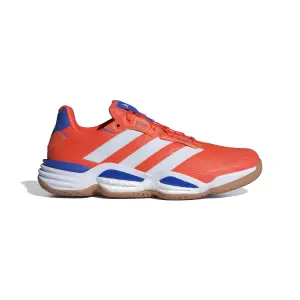
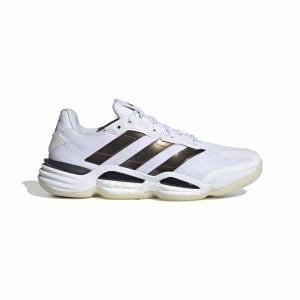
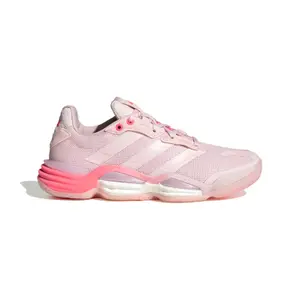
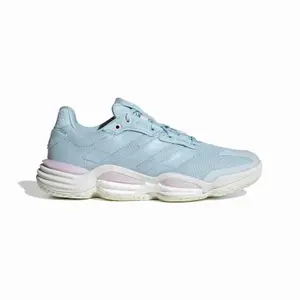
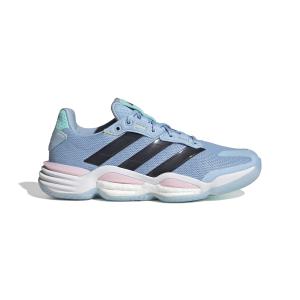
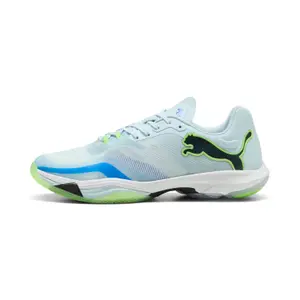
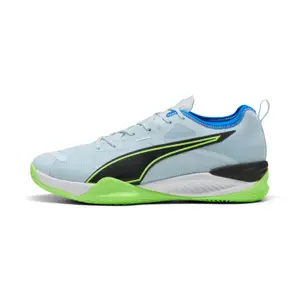
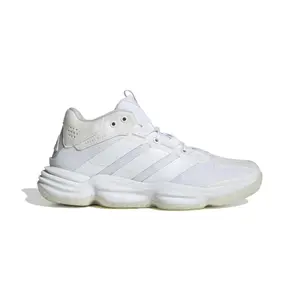
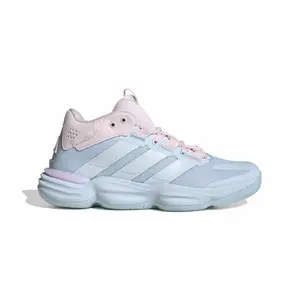
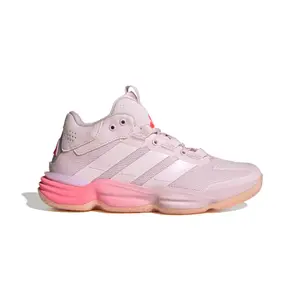
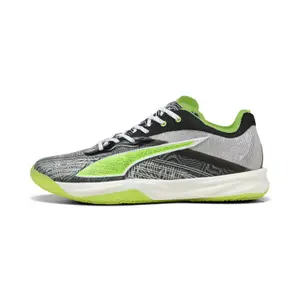
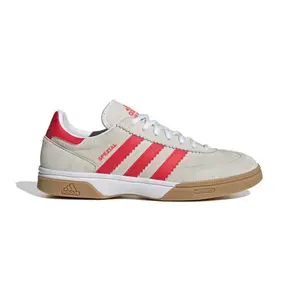
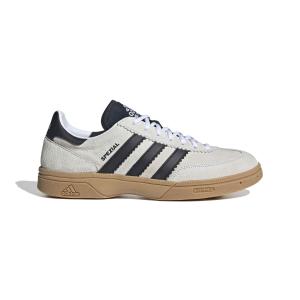
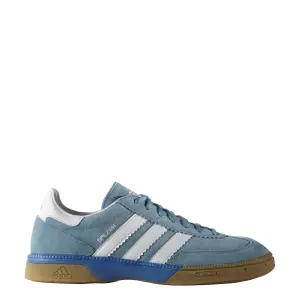
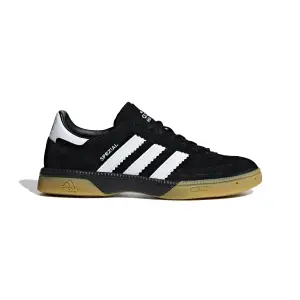
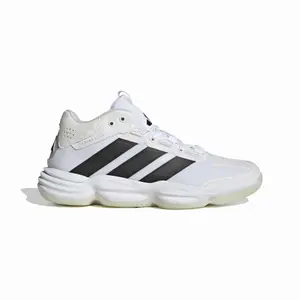
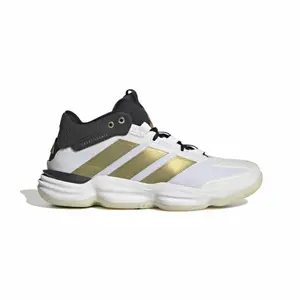
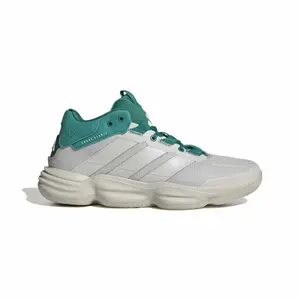

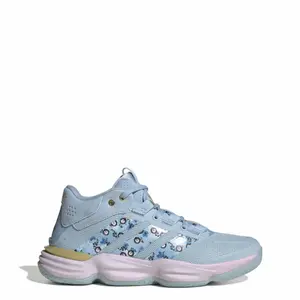
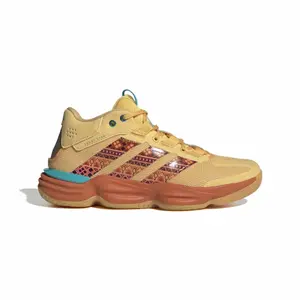
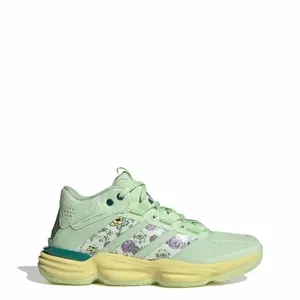
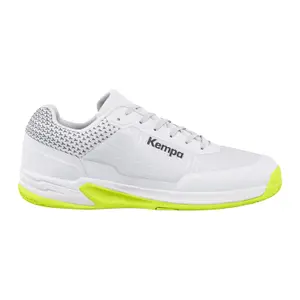
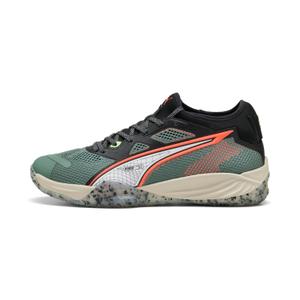
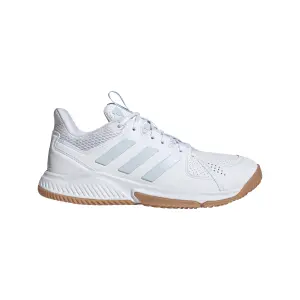
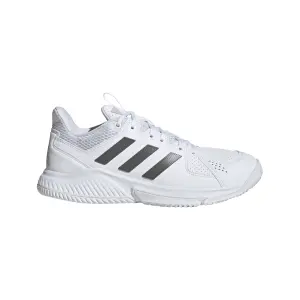
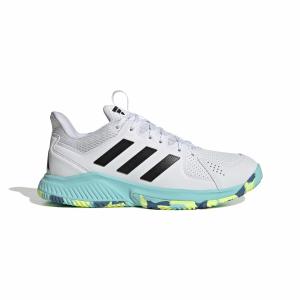
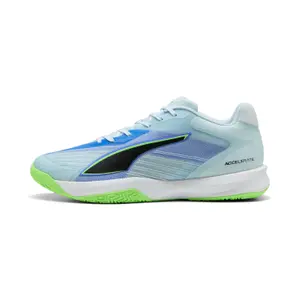
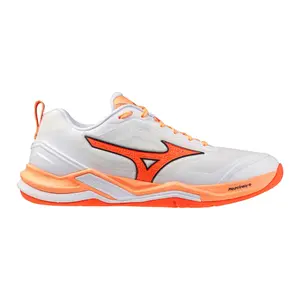
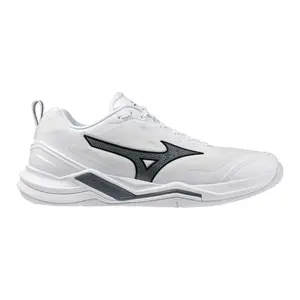
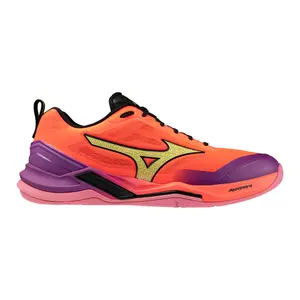
How to choose your team handball shoes
Team handball is played on a 40 by 20 meter indoor court, with constant changes of direction, contact and a lot of jumping. Your shoes are the only thing between that load and your ankles and knees. Three criteria decide the right pair: the grip you need on your floor, the lateral support your position demands, and how much cushioning you want under the forefoot. Here is how to narrow it down.
By skill level
Beginner
You are learning passing, jumping, shooting and footwork. You do not need the most advanced model on the wall. A light shoe with a solid heel lock and a gum outsole is plenty. Look at the adidas Court Team Bounce, the Asics Upcourt or the Hummel Multiplay: honest court shoes at an entry price.
Intermediate
Your movement is settled, matches are physical, and you probably still rotate between positions. You want one shoe that does everything: light enough to counter-attack, stable enough to hold a block, with real cushioning on landing. The adidas Crazyflight, the Mizuno Wave Stealth and the Asics Gel Rocket sit exactly there.
Advanced
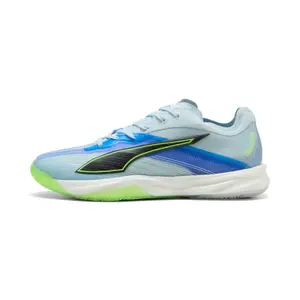
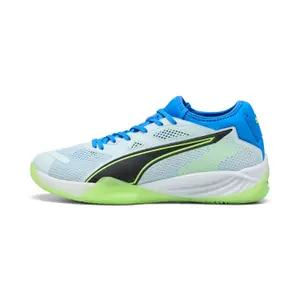
You have a fixed position and you know what you need. From here, choose by position rather than by price. The top-end models — adidas Stabil, Mizuno Wave Momentum, Asics Sky Elite, Kempa Attack, Puma Accelerate — each lean towards a different profile.
By position
Back
You run, you jump and you land, over and over, and every landing goes through your knees. Prioritize cushioning first, then stability so your foot stays planted when you take contact in the air. Grip matters for the step before the shot. Look at the Kempa Attack, the Mizuno Wave Momentum and the adidas Stabil.
Wing
You cover the flank, you sprint the counter and you dive. You want light and responsive above all, with enough grip to change direction at full speed and enough cushioning to absorb a landing off one foot. The Kempa Wing, the Mizuno Wave Lightning Z and the adidas Crazyflight are built for that.
Center back
The most demanding position to shoe, because it is the most versatile: you organize, you shoot and you defend. Grip, stability, breathability and flexibility, all four at once. A center back who plays like a back wants cushioning (Mizuno Wave Stealth); one who plays like a wing wants lightness (Kempa Kourtfly, Hummel Aero).
Pivot
You hold your ground, you rotate under contact, you take hits. Stability comes first, then cushioning, and you want a rounded pivot zone under the ball of the foot so your turns do not catch on the floor. The Hummel Algiz, the Kempa Attack and the Salming Viper fit that profile.
Goalkeeper
Different job, different shoe. You need forefoot protection for blocked shots, a thin sole for floor feel, and enough grip to push off sideways from a standing start. The Hummel Liga GK and the Hummel Guardian are made for it, and plenty of keepers still swear by the adidas Spezial.
Sizing and fit
A court shoe should be locked at the heel with about a thumb's width in front of the longest toe. European brands — Kempa, Hummel, Erima — run narrow; adidas, Puma and Asics sit closer to standard US widths. Between two sizes, take the larger one: your foot swells over sixty minutes.
How long a pair lasts
At three to four sessions a week, an indoor outsole is done in about a season. The first sign is the pivot point under the ball of the foot going smooth, long before the upper shows any wear. Once you slide on a clean floor, the shoe is finished as a match shoe.
Frequently asked questions
What shoes do team handball players wear?
Indoor court shoes with non-marking gum outsoles, lateral reinforcement and forefoot cushioning. The reference models are the adidas Stabil, the Mizuno Wave Momentum, the Asics Sky Elite, the Kempa Attack, the Puma Accelerate and the Hummel Powerstrike.
Are volleyball shoes good for team handball?
They work. Both are indoor court shoes with gum outsoles. Handball models usually add midfoot reinforcement, because pivoting with resin on your hands puts more torque through the shoe.
Can I play handball in running shoes?
No. Running shoes are built for forward motion and roll under lateral load, which sharply raises the risk of an ankle sprain on court.
Which handball shoes are best for a wing?
Light, responsive models with strong grip: the Kempa Wing, the Mizuno Wave Lightning Z or the adidas Crazyflight.
Which handball shoes are best for a goalkeeper?
Models with forefoot protection and a thin sole for floor feel, such as the Hummel Liga GK or the Hummel Guardian.
Do handball shoes leave marks on the gym floor?
Not if the outsole is non-marking gum rubber, which is the case for every model here.
How often should I replace my handball shoes?
Roughly once a season at three to four sessions a week, or as soon as the pivot zone under the forefoot goes smooth.
Shop by category: New Arrivals · Best Sellers · Men's · Women's · Youth · Black Friday · Special Offers · Sale
Related: Holidays & Events · Pre-Order · Christmas · Sale · Black Friday · Deals · New Arrivals · Handball Apparel